
Upholstered furniture graces many of our homes, adding comfort and style to any room. Whether it's a sofa, chair, or ottoman, upholstered furniture can get stained pretty easily due to spills, pets, and more. It's important to know the right ways to clean these kinds of stains quickly so they don't set into the cushions and fabric permanently. With some simple cleaning tips, you can keep your favorite pieces looking their best for years to come. In this blog post, we'll discuss what to do when your upholstered furniture gets stained and provide easy-to-follow advice on removing these troublesome spots with ease!
Key takeaways
- Blot a fresh spill at once with a white towel or paper towels; rubbing pushes it deeper and frays the fabric.
- Match the cleaner to the stain and the fabric: a mild detergent solution for water-based spills, a dry-cleaning solvent for oily ones, and always a test on a hidden spot first.
- A stain that has set, spread or left a ring is a job for a professional upholstery spot treatment, which is quoted after inspection and included free with a full cleaning of the piece.
- Full upholstery cleaning is priced per piece: a sofa is $130, a chair $40, and the furniture dries in 4 to 8 hours. See the price list.
Identify the Stain and Decide if It Is Safe to Treat Yourself or Needs Professional Help
Accidents happen, and sometimes we end up with stains on our clothes or furniture. The key is to identify the type of stain and decide if it's safe to treat yourself or if it needs professional help. Some stains can be notoriously difficult to remove without proper knowledge and equipment. If you're unsure about a stain, it's always best to err on the side of caution and seek the advice of a professional. Saving a few dollars on a DIY treatment may end up costing you a lot more if you damage the material or make the stain worse. So, be smart, assess the stain, and make an informed decision.
Use a Mild Detergent Solution to Treat Water-Soluble Stains
Stains are an inevitable part of life. Whether it's coffee, wine, or mustard, a stain always seems to find its way onto our clothes. Luckily, there is a way to fight back against these pesky marks. Using a mild detergent solution is an effective way to treat water-soluble stains. By gently rubbing the solution onto the affected area, you can break down the stain and remove it from the fabric. Not only is this method effective, it's also gentle on your clothes. So the next time you spill something on your favorite shirt, don't panic. Just reach for your mild detergent solution and watch that stain disappear before your eyes.
Use Dry-Cleaning Solvents for Oil-Based Stains
When it comes to oil-based stains on clothing, it can feel like an uphill battle. No matter how many times you wash the garment, the stain just won't budge. This is where dry-cleaning solvents come in. They are specifically designed to tackle these stubborn, greasy stains that regular detergents just can't handle. These solvents work by dissolving the oils in the stain, leaving your garment looking as good as new. While you might be hesitant to use a dry-cleaning solvent at home, many products are now formulated for at-home use, making it easy to take care of oily stains without a trip to the cleaners. So next time you're faced with an oil-based stain, give a dry-cleaning solvent a try and see the difference for yourself.
Blot the Stain Using Paper Towels Instead of Rubbing It In
Have you ever spilled something on your clothing or carpeting and instinctively began rubbing at the stain? It's a common reaction, but unfortunately, it's not the most effective way to remove a stain. In fact, it can actually make the stain worse! That's where paper towels come in handy. By blotting the stain instead of rubbing it in, you're able to soak up the excess liquid without pushing it further into the fabric or carpet fibers. So next time you face a spill, reach for the paper towels and gently blot until the stain is lifted. Your clothes (and carpets) will thank you!
Test Any Cleaning Product on an Inconspicuous Area Before Applying It Directly to a Stain
Cleaning products are a great way to keep your home spic and span. However, before applying any product on a stain, it's important to take some precautions, especially if you're trying a new cleaner or one that you haven't used before. To avoid any damage or discoloration, make sure to test it first on an inconspicuous area such as a corner or a hidden spot. This way, you'll be confident in knowing the product won't cause any harm, and you can apply it directly to the stain with peace of mind. Taking this extra step may seem like an inconvenience, but it's better to be safe than sorry when dealing with stains or cleaning products.
How to clean an upholstered chair, step by step
Dining chairs, armchairs and desk chairs collect the same spills as a sofa but have more seams and less fabric, so the order of work matters. Start with a thorough vacuum: run the crevice tool along every seam, under the cushion and around any buttons or piping, and switch to a soft brush head on velvet and other delicate pile so the nap is not crushed. Dry soil removed now will not turn into mud once you add liquid.
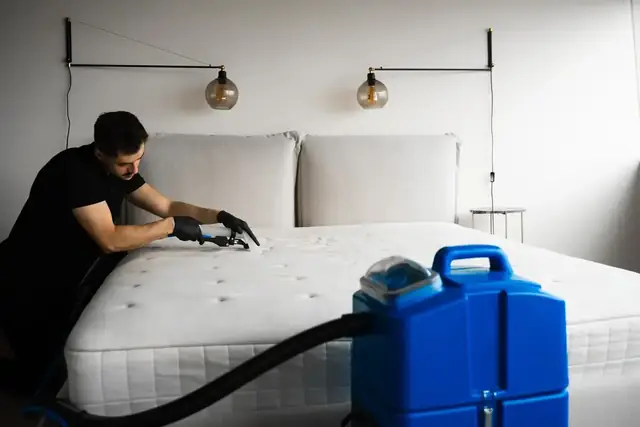
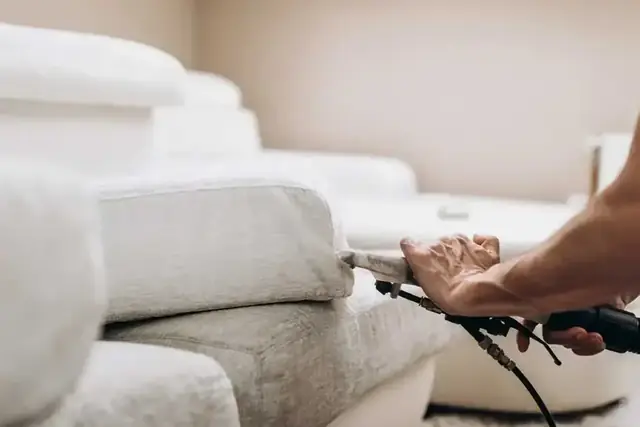
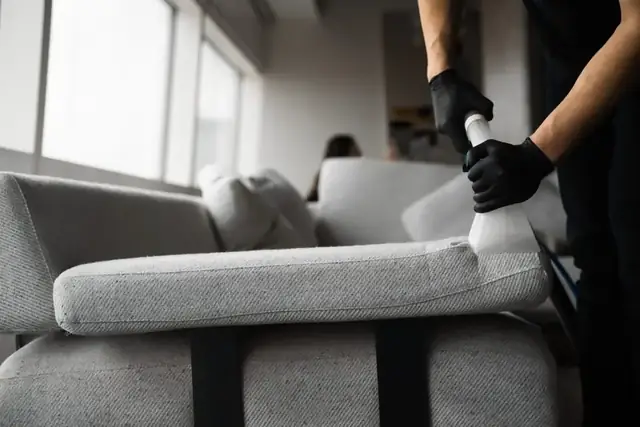
Next, treat spots with a product made for upholstery rather than an all-purpose spray or dish soap, and apply it to a cloth, not straight onto the fabric. Work from the outside of the mark inward, blot, then rinse with a cloth dampened in plain water so no residue is left to attract new dirt. Finally, for ground-in grime on the seat and arms, a hot water extraction upholstery cleaning lifts what spot cleaning cannot: the fabric is pre-sprayed, agitated gently and rinsed, and the dirty water is pulled straight back out. Done professionally, a chair is $40 and a sofa $130, spot treatment is included, and the piece is dry in 4 to 8 hours. If one stubborn mark is the only problem, a stand-alone spot treatment is quoted after inspection instead.
Reach Out for Professional Help
Despite our best intentions, many stains are just too tough for common consumer-grade tools and techniques. When this is the case or if you simply don't have time to battle stains, a professional upholstery spot treatment service is only ever a call away. Reach out to your friendly local cleaning company and rest easy knowing your furniture and its beauty is in expert hands. With industry grade tools and supplies as well as expert knowledge, these pros will tackle the stain in no time, saving you time and money. This is an especially good lesson for businesses considering renovation; professionally restoring office furniture can save on the budget and give new life to old items.
We hope this post has been insightful and helpful in showing what to do when your upholstered furniture gets stained. It may be tempting to make assumptions, or take a guess at which stain you are dealing with and how to approach removing it, but it is highly recommended that you always assess the situation correctly – if in doubt, seek advice from a professional. To prevent staining your furniture further, remember that prevention is better than cure; for example, ensuring fabric is well protected prior to any activity where there's a higher chance of staining occurring. And finally, always read care labels carefully before cleaning – whether by yourself or for dry-cleaning – as this will ensure the best care for your furniture, leading to longer wear-time and fewer stains!