Key Takeaways
You can clean most synthetic carpets at home with a vacuum cleaner, DIY stain removers (baking soda, white vinegar, dish soap), and an affordable rental or home carpet cleaning machine.
Acting on spills within 10–15 minutes prevents most permanent stains and lingering odors—quick response yields up to 95% stain removal versus 50% after an hour.
Deep clean your whole carpet every 6–12 months (or every 3–6 months with kids or pets) to extend carpet life by several years and keep indoor air cleaner; steam cleaning is an effective deep-cleaning method for heavy-duty carpet care.
Routine carpet maintenance, including regular vacuuming and periodic deep cleaning, preserves your carpet's color, texture, and longevity, making the space more hygienic and comfortable. Natural-fibre or vintage rugs (wool, jute, silk) need gentler, low-moisture methods and always require a patch test before any cleaning solution is applied.
Prevention through door mats, no-shoes policies, and regular vacuuming reduces up to 90% of embedded dirt before it becomes a problem.
Introduction: Why Cleaning a Carpet at Home Matters
Carpets in living rooms, bedrooms, and hallways act like giant filters, trapping dust, pet dander, pollen, and everyday spills deep within their fibres. Without regular attention, this buildup degrades air quality, shortens carpet lifespan, and leaves rooms smelling stale.
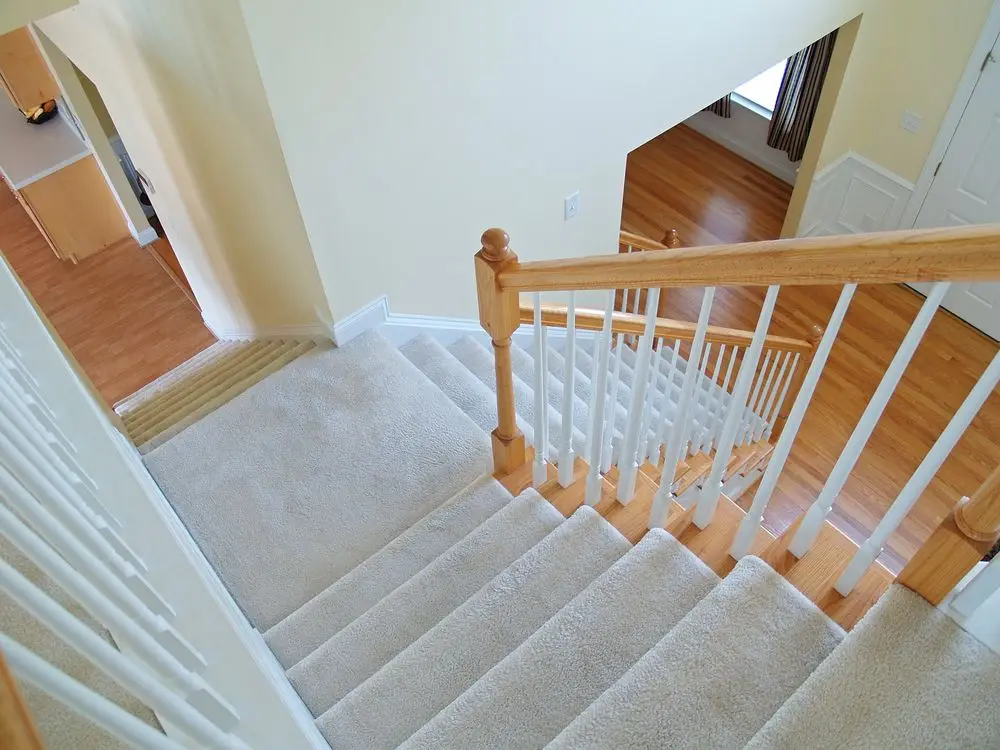
The benefits are significant: proper maintenance can extend a carpet's life from the typical 5–15 years to 20 or more, while reducing allergens that trigger respiratory issues. High traffic areas like entrances and stairs stay presentable rather than becoming worn eyesores.
This guide focuses on practical methods using common tools—your vacuum, baking soda, white vinegar, mild dish soap, and either a rental or owned carpet cleaner. You'll learn preparation steps, a complete deep cleaning process, treatments for specific stains, and routine maintenance strategies.
Prepare Before You Start Cleaning
Ten to twenty minutes of preparation saves considerable time and prevents damage like water rings or colour bleeding. Rushing into wet cleaning without proper setup is one of the most common mistakes homeowners make.
Start by identifying your carpet material and backing. Check the manufacturer label (often attached to the underlay or seams), your purchase receipt, or the manufacturer's website. Knowing whether you have nylon, polyester, wool, or jute determines which cleaning products are safe.
Always perform a colour-fastness patch test with any cleaner—store-bought or homemade—on a hidden area such as under a sofa or behind a door. Apply a small amount of diluted cleaning solution, wait 24 hours, and check for colour change or texture damage.
Check Your Carpet Type and Condition
Understanding the difference between carpet types prevents costly mistakes:
| Carpet Type | Characteristics | Cleaning Tolerance |
|---|---|---|
| Nylon (60–70% of homes) | Durable, stain-resistant | Tolerates water-based cleaners, pH 5–10 |
| Polyester | Budget-friendly, prone to matting | Standard carpet shampoo safe |
| Polypropylene | Moisture-resistant, good for basements | Handles most cleaning methods |
| Wool | Naturally stain-resistant, shrinks when over-wet | Requires pH-neutral (6–8) cleaners only |
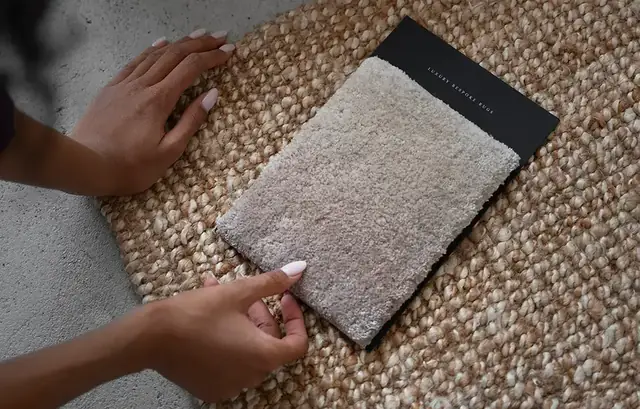
| Jute/Sisal | Eco-friendly, absorbent, mold-prone | Low-moisture methods only |
Before cleaning, inspect your carpet for loose seams or fraying edges, ripples or buckling in the backing, signs of delamination, and existing water damage or mold indicators.
Gather Your Home Cleaning Supplies
Having everything ready before you start prevents interruptions and ensures efficient cleaning.
Everyday cleaning ingredients:
- Baking soda (at least 500g on hand)
- Distilled white vinegar (approximately 1 litre)
- Mild clear dishwashing liquid (unscented preferred)
- Measuring cups and a spray bottle
Essential tools:
- Vacuum cleaner with beater bar or rotating brush attachment
- Soft-bristle scrub brush
- Old toothbrush for edges and corners
- Several white cotton cloths or microfiber towels (400+ GSM)
- Paper towel for initial blotting
- Bucket for mixing solutions
Before starting, remove fragile décor, unplug floor lamps, and place aluminium foil or baking paper under wooden furniture legs. Open windows or switch on a fan to improve air circulation.
Step-by-Step: How to Clean a Carpet at Home
The complete process runs from clearing the room through final grooming of the carpet pile. Most people complete the active work in 1–2 hours for a medium-sized room, plus 4–24 hours of drying time depending on weather and carpet thickness.
Clear and Protect the Area
Remove lightweight furniture: coffee tables, dining chairs, side tables, floor cushions, and small decorative items. For heavy pieces like sofas and bookcases, slide them a half-metre at a time to clean in sections. Roll up small rugs and shake them outdoors. Protect any remaining furniture feet with aluminium foil squares or plastic coasters.
Vacuum Thoroughly to Remove Loose Dirt
Slow, methodical vacuuming removes grit that would otherwise act like sandpaper during wet cleaning, cutting carpet fibres and reducing lifespan by up to 50%.
- Vacuum the entire area in overlapping rows, first north–south, then east–west
- Move slowly—about 10–15 feet per minute—spending extra time on busy paths
- Use the crevice tool along skirting boards, under radiators, and around floor vents
- For delicate or high-pile rugs, use lower suction with the brush roll disengaged
- For tough synthetic carpets, engage full power with the rotating brush
In homes with pets or dusty climates, vacuum twice before wet cleaning, emptying the canister between passes.
Pretreat Stains and High-Traffic Lanes
Addressing visible carpet stains and worn-looking traffic lanes before overall cleaning prevents patchy results.
DIY pretreat solution: Mix in a spray bottle: 500ml warm water, 1 tablespoon white vinegar, and a few drops of mild dish soap. Lightly mist stained spots and let the solution sit for 5–10 minutes. Gently blot with a white cloth, working from the outside edge inward.
For old odors, sprinkle a generous layer of baking soda over the area and let it sit for 15–30 minutes before vacuuming. Avoid scrubbing aggressively—rubbing spreads stains 2–3 times wider.
Choose and Mix Your Cleaning Solution
Following your machine manufacturer's dilution instructions prevents sticky residue that attracts more dirt.
For manual spot cleaning: Mix 1 litre lukewarm water, 1–2 teaspoons mild detergent, and 1–2 tablespoons white vinegar.
Products to avoid: Bleach (oxidises dyes), ammonia (harmful to wool), and heavily perfumed multi-surface cleaners.
Deep Clean with a Carpet Machine or Manual Method
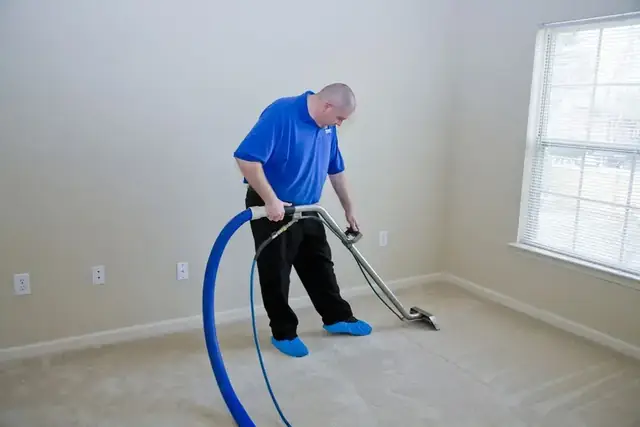
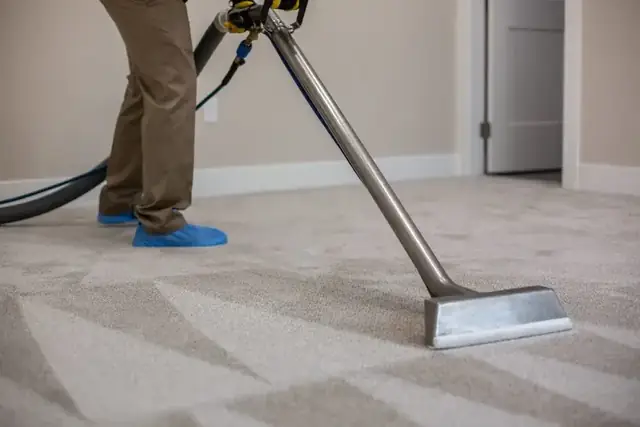
Using a carpet cleaning machine:
- Start in the far corner of the room and work toward the exit
- Press the trigger on the forward pass to spray the cleaning solution
- Release the trigger on the backward pass to extract dirty water
- Move slowly—approximately 2–3 seconds per step
- Overlap rows by about 50% to ensure no strips are missed
- Empty the dirty water tank when full and refill as needed
Manual alternative:
- Dip a soft brush or clean cloth in diluted solution
- Wring thoroughly until barely damp
- Work into small sections (approximately 60cm squares)
- Follow with a cloth dampened in clear water to rinse
- Blot dry with a towel before moving to the next section
Rinse, Dry, and Groom the Carpet
A rinse step with plain water removes leftover detergent that would otherwise attract dirt rapidly.
Speed up drying:
- Open windows on opposite sides for cross-ventilation
- Run ceiling fans and pedestal fans for several hours
- In humid climates, use a dehumidifier (aim for below 50% RH)
- Avoid replacing furniture until the carpet is completely dry
Carpets typically need 4–6 hours to be touch-dry and up to 24 hours to dry fully. Once completely dry, gently vacuum to lift the pile and restore texture.
How to Treat Common Carpet Stains at Home
Different stains respond best to slightly different treatments. Quick treatment dramatically improves outcomes: addressing spills within 15 minutes yields up to 95% removal success versus roughly 50% after an hour.
Food, Coffee, and Red Wine Spills
- Immediately lift solid bits with a spoon or spatula
- Blot liquid spills with folded paper towel until almost dry
- Mix: 250ml warm water + 1 tsp dish soap + 1 tbsp white vinegar
- Dab gently onto the stain and blot out
For stubborn red wine: After initial blotting, apply a thin layer of baking soda over the damp area. Let it sit for 15–30 minutes, then vacuum once dry. This achieves approximately 85% success on fresh wine stains.
Grease, Oil, and Makeup Marks
- Scrape thick residue gently with a dull knife, working outside-in
- Sprinkle baking soda or cornflour on fresh spots
- Leave for 20–30 minutes to absorb oil
- Vacuum thoroughly
- Apply a drop of undiluted dish soap on a damp cloth
- Dab at remaining marks, then rinse with a clean damp cloth
Pet Accidents and Odours
- Blot up as much liquid as possible using thick paper towel layers
- Mix equal parts white vinegar and water
- Apply enough solution to reach the full depth of the stain
- Let sit for 10–15 minutes
For lingering odours: Cover the damp area with baking soda, leave overnight, then vacuum thoroughly. Enzyme-based pet cleaners tackle older accidents effectively.
Mud, Dirt, and Outdoor Messes
Let wet mud dry fully—this makes removal easier. Break dried mud gently with fingers or a soft brush, vacuum slowly, then dab remaining marks with mild soap and water. Quality entrance mats trap up to 85% of incoming dirt.
Using Baking Soda and Vinegar for Everyday Carpet Care
Baking soda and white vinegar remain two of the most useful, inexpensive carpet-cleaning ingredients available. Always patch-test on wool, jute, and other natural-fibre rugs before widespread use.
Refreshing Carpets with Dry Baking Soda
- Sprinkle a thin, even layer across the carpet, focusing on high traffic areas
- Let sit for at least 15 minutes—for stronger odours, leave overnight
- Vacuum thoroughly in multiple directions
- Empty the vacuum canister afterwards
Baking Soda and Vinegar for Spot Cleaning
- Spray a small amount of white vinegar directly onto the stain
- Immediately sprinkle baking soda over the wet spot
- Allow it to fizz naturally
- Leave undisturbed until completely dry
- Vacuum the dried powder thoroughly
Ongoing Carpet Maintenance Tips
Consistent, light maintenance protects carpets better than occasional heavy cleaning.
| Task | Frequency |
|---|---|
| Vacuum high traffic areas | 2–3 times weekly |
| Vacuum whole carpet | At least weekly |
| Deep clean | Every 6–12 months |
| Deep clean (with kids/pets) | Every 3–6 months |
Prevention: Keeping Dirt and Moisture Out
- Use sturdy door mats at each entrance (reduces tracked dirt by 85%)
- Adopt a no-shoes-indoors policy
- Place washable runners in busiest walkways
- Wipe pet paws after wet walks
- Rotate area rugs and rearrange furniture yearly
Drying, Ventilation, and Mold Prevention
- Ensure good airflow after wet cleaning
- Run fans for several hours post-cleaning
- Use a dehumidifier in damp climates
- Don't replace furniture until carpet is completely dry
- Aim for carpet moisture content below 12%
FAQ: Cleaning a Carpet at Home
Can I clean my carpet at home without a machine?
Yes, you can clean carpets manually using a vacuum, a bucket of mild cleaning solution, soft brushes, and plenty of clean cloths. Work in small sections: apply diluted solution, agitate gently, rinse with a damp cloth, then blot dry immediately. For large rooms, consider hiring a rental carpet cleaner for a day.
Is it safe to use vinegar on all types of carpet?
Vinegar is generally safe on synthetic carpets when diluted (half vinegar, half water), but poses risks for natural fibres like wool, jute, sisal, and silk. Always patch-test diluted vinegar on a hidden spot first. For rugs labelled "wool only" or "dry clean only," use specialised natural-fibre cleaners instead.
How long should I wait before walking on a freshly cleaned carpet?
Light walking (in clean socks) is possible after 4–6 hours when the carpet feels slightly cool and damp. Wait 12–24 hours before heavy use, replacing furniture, or laying area rugs back on top. Using fans and dehumidifiers reduces waiting time.
What should I avoid when cleaning my carpet at home?
Avoid strong bleach, undiluted ammonia, and mixing chemical products together. Don't over-soak carpet, use hard scrubbing brushes, or ignore manufacturer labels.
How do I know when it's time to replace, not just clean, my carpet?
Consider replacement when stains reappear quickly after cleaning, bald patches don't lift after vacuuming, strong odours persist despite multiple cleanings, visible backing shows through fibres, or loose seams create tripping hazards.