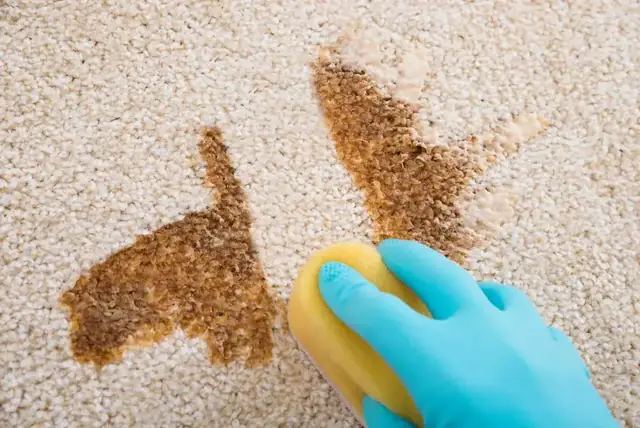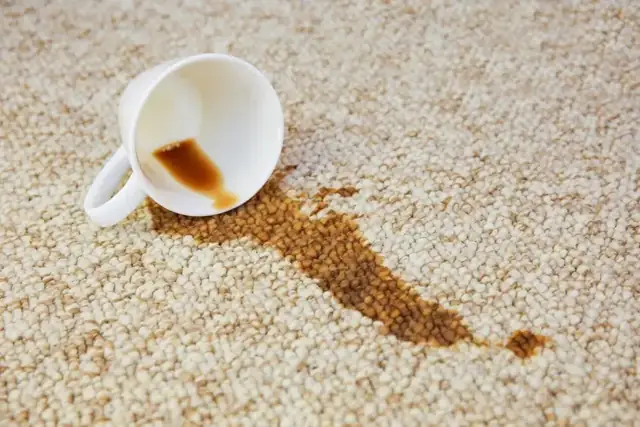
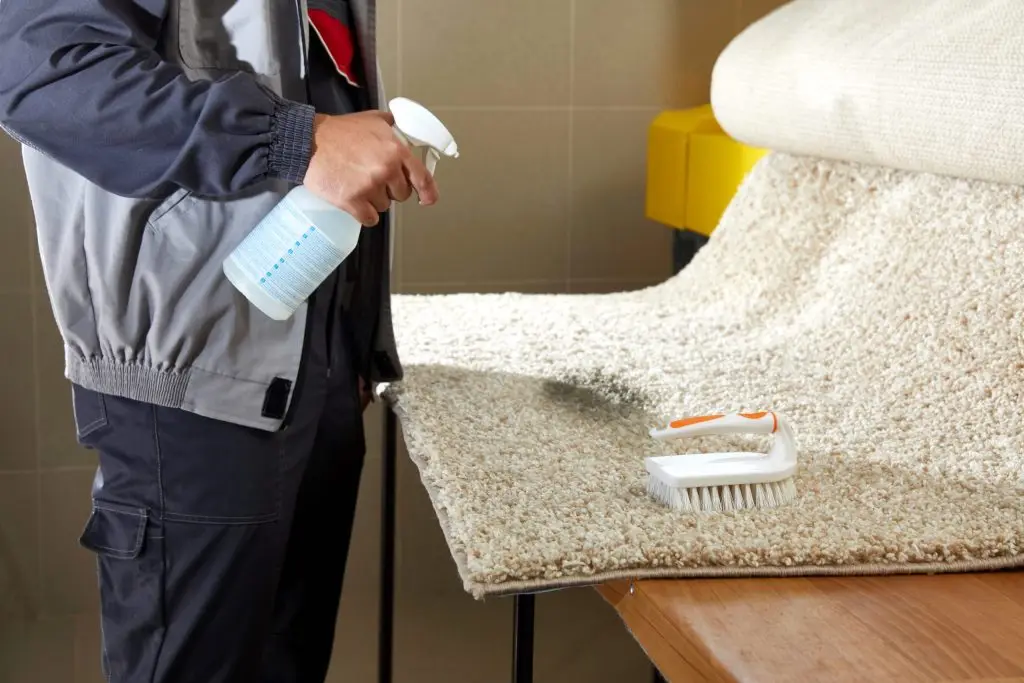
Spills happen when you least expect them. A glass of wine tips over, coffee slips from your hand, or your pet has an accident on the carpet. Suddenly, you're left with a stain that feels like a permanent reminder of the mess. But here's the truth: carpet stain removal isn't as difficult as it seems. With the right methods, most stains can be removed quickly and easily, without the need for expensive products.
The problem is that many people react the wrong way. Rubbing too hard or using the wrong cleaner often makes the stain worse. That's why knowing a few proven techniques is so valuable. In this guide, we'll share step-by-step solutions for common stains like coffee, wine, grease, ink, and pet accidents. You'll also learn which household items actually work, which ones to avoid, and how to stop stains from setting in the first place.
Of course, some carpets take more of a beating than others. If you live in a busy household—or in a big city where floors face constant wear—sometimes professional help is the smarter choice. For anyone searching for carpet cleaning in Chicago or your own local area, we'll also explain when it's best to call in the pros and how to choose a reliable service. By the end, you'll have the confidence to handle stains on your own and know when to get extra help to keep your home looking its best.
Understanding Carpet Stains: The Science Behind the Spots
Not all stains are created equal. That's why a trick that works wonders on one mess might completely fail on another. To really win the battle against stains, it helps to understand what you're dealing with before you reach for a cleaner.
Most carpet stains fall into a few main categories:
- Water-based stains – Think coffee, tea, soda, or juice. These soak into the fibers quickly but can often be lifted with simple household solutions.
- Oil-based stains – Grease, makeup, or butter. These cling to fibers and usually need a degreasing agent.
- Protein-based stains – Foods like milk, eggs, or blood. These react badly to heat, so cold water is key when cleaning.
- Dye-based stains – Ink, wine, or colored drinks. These are some of the most stubborn because the pigments bond with carpet fibers.
Here's where carpet stain removal gets tricky: each type requires a slightly different approach. Treating a protein stain with hot water, for example, can actually set it permanently. On the other hand, letting an oil-based stain sit too long only makes it spread.
By recognizing the type of stain you're dealing with, you'll know whether to blot, rinse, absorb, or neutralize it. This small step makes a huge difference in how successful your cleaning efforts will be—and can save you from costly mistakes.
Once you can identify the kind of stain on your carpet, you're ready to use the right method and see results that actually last.
Quick Response Matters: The Do's and Don'ts of Immediate Action
When a spill happens, the first few minutes are critical. Waiting too long allows the liquid or substance to sink deeper into the carpet fibers, making it much harder to remove later. Acting quickly can often mean the difference between a temporary mess and a permanent stain.
Here are a few simple Do's that make a big impact:
- Blot, don't rub. Use a clean cloth or paper towel to gently blot the spill and lift the liquid, rather than pushing it deeper.
- Start with cold water. For many stains, a little cool water is the safest first step.
- Test before applying cleaners. Always check a small hidden spot to make sure your solution doesn't discolor the carpet.
And just as important, here are the Don'ts:
- Don't scrub. Vigorous rubbing frays carpet fibers and spreads the stain.
- Avoid hot water on protein stains. Heat can cause them to set permanently.
- Skip colored cloths. Dyes may transfer and make the mess worse.
These steps are especially important for tricky stains like wine. Quick action is key for effective red wine stain removal, since the pigments bond quickly with carpet fibers. The faster you blot and apply the right solution, the better chance you have of avoiding a lasting reminder of the spill.
The same principle applies to all types of carpet stain removal—respond fast, use the right technique, and you'll save yourself time, money, and stress.
Proven DIY Carpet Stain Removal Methods (By Stain Type)
When it comes to stains, one-size-fits-all rarely works. That's why having a few go-to methods for specific messes can save the day. The best part? Most of these tricks use everyday household items you probably already have on hand.
Try these simple solutions for common stains:
- Coffee or tea spills → Mix a teaspoon of dish soap with a cup of warm water. Blot gently, then rinse with plain water.
- Red wine → Sprinkle salt directly on the spill to soak up the liquid. Follow up with club soda and a clean cloth for extra lifting power.
- Grease or oil stains → Cover the spot with baking soda, let it sit to absorb, and then vacuum. Repeat if needed.
- Pet messes → Use an enzyme-based cleaner to break down the proteins and eliminate odors at the source.
- Ink marks → Dab carefully with rubbing alcohol—always blot, never rub.
These hacks are a lifesaver for fresh spills, but let's be honest—not every stain disappears on the first try. Some are just too stubborn. That's where professional help can make all the difference. Reputable carpet cleaning services use advanced tools that dig deeper than DIY methods ever could. And for anyone juggling busy schedules or high-traffic homes—like those relying on carpet cleaning Chicago experts—scheduling a professional deep clean once or twice a year keeps carpets looking and smelling their best.
Quick DIY fixes handle emergencies. Professional care keeps your carpet healthier for the long haul. Together, they're the perfect combo.
Store-Bought Cleaners vs. DIY: What Actually Works Best?
When a stain shows up on your carpet, the first instinct is usually to grab whatever's nearby—maybe a bottle of dish soap, a box of baking soda, or even that all-purpose spray under the sink. For smaller messes, these quick fixes often do the trick. Homemade solutions are easy, budget-friendly, and safe to use around kids or pets.
That said, there are times when DIY remedies fall short. Tougher stains—like ink, grease, or wine—often need more than vinegar and elbow grease. This is where store-bought products come in handy. They're formulated to target specific problems, and many even list the exact type of stain they're designed to remove right on the label.
Here's where carpet stain removal gets interesting: not every product works equally well on every type of mess. A cleaner that tackles food stains may not do much for oil or dye-based spills. This is why it's helpful to have both options—DIY for quick action and store-bought products for the tougher challenges.
And of course, there will always be situations where neither homemade remedies nor commercial cleaners get the job done. When stains are set-in, widespread, or just plain stubborn, calling in professionals is the smartest move. They have the right tools and knowledge to treat carpets safely without damaging the fibers.
Also Read: Red Wine Stain Removal Secrets from Chicago's Carpet Cleaning Experts
Preventing Future Stains: Smart Maintenance Tips
Dealing with stains after they happen is stressful, so why not make life easier by preventing them in the first place? With a few smart habits, you can protect your carpets from everyday accidents and keep them looking fresh for years.
Here are some simple ways to stay ahead of messes:
- Use protective sprays – A quality carpet protector creates a barrier that makes liquids bead up instead of soaking in.
- Lay down area rugs or runners – Perfect for high-traffic spots like hallways, entryways, and living rooms.
- Make "shoes off" a rule – One small habit that drastically reduces dirt and grime tracked inside.
- Vacuum regularly – Lifting dust and dirt before they settle deep in the fibers extends your carpet's life.
- Clean spills right away – Even tiny drops can become big stains if ignored.
These habits go a long way, but prevention doesn't mean accidents won't happen. For example, red wine stain removal is notoriously difficult, even if you act fast, and some spills will always need extra effort. That's why having a few go-to methods for carpet stain removal and knowing when to call for backup can make all the difference.
Routine upkeep keeps stains from becoming overwhelming, while occasional deep cleaning gives your carpet a fresh start. By mixing smart prevention with quick action, you'll spend less time worrying about stains and more time enjoying your home.
When to Call the Pros: Knowing Your Limits
Picture this: you spill a glass of juice, grab a towel, and blot it up. Crisis averted, right? A week later, you notice a faint shadow where the stain used to be. You try scrubbing again, maybe even add a little baking soda, but it never really disappears. That's the moment many homeowners realize some stains just need more than a DIY fix.
The truth is, not every mess can be solved with household remedies. Food dyes, pet accidents, and deep-set liquids often seep into the lower layers of the carpet. On the surface, it might look fine, but underneath, the residue lingers and can even create odors over time. That's why tough jobs call for something stronger.
This is where reliable carpet stain removal comes in. Experts use equipment that reaches deep into the fibers and padding, pulling out dirt, bacteria, and stains that everyday tools simply can't. It's not just about looks—it's about protecting your carpet's health and extending its lifespan.
Think of it like visiting a dentist. You brush and floss daily, but eventually, you still need a professional cleaning to reach the spots you miss. Carpets are the same: routine care at home works wonders, but professional help ensures lasting results.
So, the next time a stain refuses to budge or keeps coming back, don't see it as a defeat. See it as the right moment to bring in reinforcements. Sometimes letting the pros handle it is the best decision you can make.
Take Control of Stains Before They Take Over
Stains are inevitable, but they don't have to be permanent. From coffee spills to pet accidents, you've seen how quick action, the right method, and smart prevention can keep carpets looking their best. DIY solutions handle the small stuff, store-bought cleaners step in for tougher messes, and professionals are there when nothing else works.
At the end of the day, effective carpet stain removal is about balance. Take care of everyday spills yourself, prevent future accidents with good habits, and call in experts when your carpets need a deeper refresh. And for busy households, working with trusted pros—like those offering carpet cleaning Chicago—gives you peace of mind and keeps your home feeling fresh.
Clean carpets aren't just about appearance. They make your whole home more welcoming, comfortable, and healthier. Start small today—whether it's tackling a spill the right way or scheduling a deep clean—and enjoy the difference a fresh carpet can make.