
Searches for how to wash a mattress, how to steam clean bed bugs and how to disinfect a mattress all land on the same honest answer: you clean the surface, you never soak the mattress, and steam is a useful tool with clear limits. This guide walks through the eight steps we would use at home, says plainly what steam can and cannot do about bed bugs, and explains what our professional mattress cleaning covers and costs.
Key Takeaways
- You do not wash a mattress the way you wash sheets. Never soak it; the foam and padding hold water for days. Vacuum, spot-treat, then steam or hot water extraction on the surface only.
- Eight steps, about an hour of work plus drying time: strip the bed, vacuum the seams, treat spots, deodorize with baking soda, steam in overlapping passes, do the sides and box spring, dry it bare with a fan, then put on a washable encasement.
- Steam kills bed bugs and their eggs on contact where it reaches them. It does not reach the bed frame, box spring, baseboards or walls, so it cannot clear an infestation on its own. An infestation needs a pest-control professional.
- Our mattress cleaning is a cleaning service, not a pest treatment: hot water extraction with upholstery tools, dry in 4 to 8 hours, quoted by size.
- The $180 appointment minimum ($220 inside Chicago ZIP codes) applies, so most customers add the mattress to a sofa or carpet appointment rather than booking it alone.
How Do You Wash a Mattress?
The short answer: you clean the surface, you do not wash the mattress. A mattress is six to fourteen inches of foam, fiber and springs wrapped in fabric, and water that goes in has no way out except slow evaporation. Soaking it with a carpet shampooer, a hose or a bucket of soapy water is how a mattress ends up smelling worse than before you started.
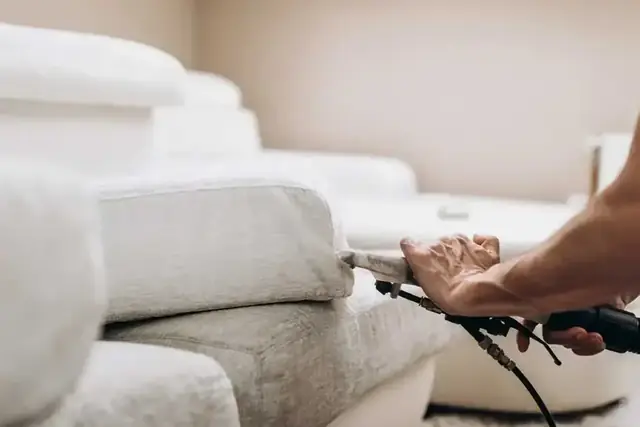
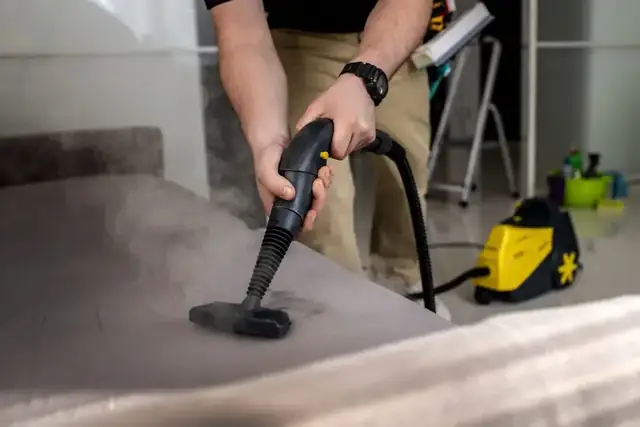
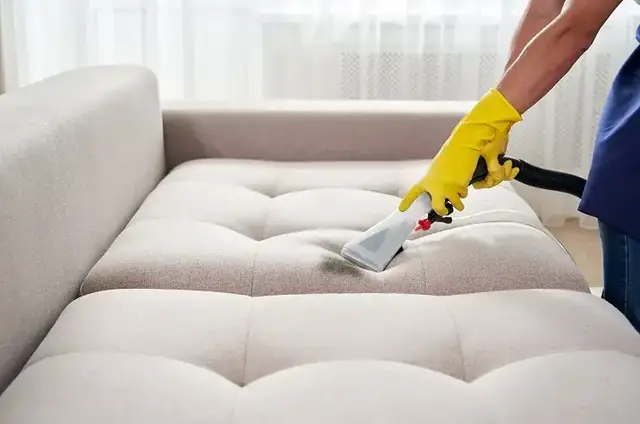
The cleaning that works is the same one we use on upholstery: a thorough dry vacuum to remove loose soil, spot treatment on stains, and then either a handheld steamer or hot water extraction with upholstery tools, which puts a controlled amount of hot water and cleaning solution onto the fabric and pulls most of it straight back out. Steam is the home version. A garment or canister steamer with a fabric attachment heats the surface, loosens sweat residue and body oils, and leaves the fabric only slightly damp. It will not pull out a deep stain, but combined with spot treatment and baking soda it handles the routine refresh most mattresses need.
What You Need
- A vacuum with an upholstery tool and a crevice tool.
- A handheld or canister steamer with a fabric attachment, and a clean microfiber cloth to wrap over the head.
- A spray bottle with a mild solution for general spots: a teaspoon of clear dish soap in a quart of cool water.
- An enzyme cleaner for urine, sweat rings and blood.
- A box of baking soda, two or three dry towels, and a fan.
- A zippered mattress encasement for afterwards.
How to Steam Clean a Mattress in 8 Steps
- Strip the bed and wash everything hot. Sheets, pillowcases, the mattress pad and the duvet cover go in the washer on the hottest setting the label allows and into the dryer on high. Heat is what kills dust mites and any bed bug hiding in the bedding; a cool wash only rinses them.
- Vacuum every surface, slowly. Run the upholstery tool across the top and sides in overlapping passes, then the crevice tool along every seam, the tufts and the piping around the edge. Do the box spring, the frame and the headboard while you are there, and empty the vacuum into a sealed bag outside.
- Treat spots before you steam. Blot fresh stains with a dry towel first. Lightly mist a general spot with the dish-soap solution and blot; use an enzyme cleaner on urine, sweat rings and blood, and cold water only on blood, because heat sets protein. Work from the outside of the spot inward and never pour liquid onto the mattress.
- Deodorize with baking soda. Sift a thin, even layer over the whole sleeping surface, leave it for 30 minutes to a few hours, then vacuum it up thoroughly. It absorbs odors and some of the moisture left by the spot treatment.
- Steam in small, overlapping sections. Hold the steamer an inch or two above the fabric and keep it moving, working from head to foot. Give extra time to seams, tufts and piping, where sweat residue and bed bugs collect. The surface should feel warm and barely damp, never wet; if water beads on the fabric you are too close or moving too slowly.
- Steam the sides, then the box spring. Stand the mattress on edge if you have help and run the steamer along each side and seam. Do the top of the box spring and the frame joints as well; a mattress put back on a dirty base does not stay clean.
- Dry it completely before making the bed. Leave the mattress bare with a fan on it and the window cracked. Lightly steamed fabric is usually dry in a few hours; after hot water extraction allow 4 to 8 hours, the same as upholstery. Making the bed over a damp mattress traps moisture and invites mildew.
- Put on a washable encasement. A zippered encasement keeps sweat, spills and dust out of the mattress itself, and it becomes the only layer you have to wash afterwards. If bed bugs are the concern, a bed-bug-rated encasement also seals in any bug still inside so it cannot reach you.
Done this way the job takes about an hour of work. If the mattress has not been cleaned in years, or the spots are old, the home version will freshen it but not restore it; that is when professional upholstery cleaning with hot water extraction earns its price.
Does Steam Cleaning Kill Bed Bugs? An Honest Answer
Steam is one of the few things that kills bed bugs and their eggs on contact, which is why it appears in every pest-control guide. The steam leaving a nozzle is far hotter than bed bugs can survive, so bugs and eggs on the surface of the mattress, in the seams and in the tufts die when the steam reaches them.
The problem is the word "reaches". A mattress is where bed bugs feed, not where most of them live. The bulk of an infestation sits in the box spring, the bed frame joints, behind the headboard, in the baseboards, under the carpet edge and inside outlet plates, and steam on the mattress does nothing there. Steam also has to be applied slowly, an inch or two at a time, to transfer enough heat; a quick pass that leaves the fabric warm is not enough.
So: if you have found one or two bugs, steaming the mattress, hot-washing the bedding and putting on an encasement is a sensible first response. If you are finding bugs repeatedly, seeing shed skins or clusters of dark spots along the seams, or waking with bites in a line, you have an infestation, and an infestation needs a licensed pest-control professional. Treat first and clean afterwards, because carrying a bed-bug mattress through the house before treatment spreads them.
One thing we want to be clear about: our mattress cleaning is a cleaning service, not a pest treatment. We do not treat bed bug infestations, and if a technician sees the signs of one they will tell you and recommend a pest professional rather than clean around it.
How Do You Disinfect a Mattress?
Use heat and extraction, not bleach or disinfectant sprays. Bleach discolors fabric and does not rinse out of foam; a spray-on disinfectant leaves a residue you sleep on and only treats the surface anyway. Steam at the fabric surface and hot water extraction both deliver heat where sweat, skin cells and dust-mite debris collect, and extraction removes that soil from the fabric rather than leaving it in place. That is what our mattress cleaning page means by low-moisture methods that clean and sanitize without over-wetting.
For the things people most often want out of a mattress, this is what helps. Sweat and body odor: baking soda, then steam. Urine: an enzyme treatment that works through the fabric into the padding, the same approach as our cat and dog urine odor removal, because the smell sits in the padding, not on the surface. Dust: hot-washed bedding, an encasement and regular vacuuming do more over a year than any single deep clean. After an illness: strip and hot-wash everything, steam the surface and let it dry fully before the bed is made.
Mistakes That Ruin a Mattress
- Soaking it with a carpet shampooer, a hose or a bucket. The padding stays wet for days.
- Heat on blood or other protein stains. Cold water and an enzyme cleaner first; steam only after the spot is gone.
- Bleach or peroxide on colored fabric. Both can leave a pale patch that is more visible than the stain was.
- Making the bed while it is damp. Trapped moisture is how a clean mattress develops a musty smell.
- Parking the steamer in one spot on memory foam. Keep the nozzle moving and above the surface; sustained heat in one place can damage foam.
- Skipping the box spring and frame. Whatever lives there climbs straight back up.
What Professional Mattress Cleaning Costs
Mattresses are quoted by size when you book, and the technician confirms the price before starting. Every appointment carries a $180 minimum ($220 inside Chicago ZIP codes), so a mattress on its own is billed at the minimum; most customers add it to a sofa, a couple of chairs or a few carpet areas on the same visit, where it adds only its own line. The standard cleaning covers the sleeping surface and the sides; tell us when you book if you want the underside or a fabric-covered box spring done so the technician allows the time. Urine or other accidents that have soaked into the padding are inspected and quoted separately, because they are treated at depth rather than on the surface. The method is the one on our mattress cleaning page: a thorough dry vacuum, a fabric-safe pre-treatment, then hot water extraction with upholstery tools, dry in 4 to 8 hours. Not happy? Call us within 7 days and we will re-clean the area or refund your payment.
Clean It Yourself or Call?
| Situation | Best move |
|---|---|
| Routine refresh, light odor | Steam it at home using the eight steps above. |
| Fresh spill or a sweat ring | Spot-treat, steam, dry it bare, make the bed when dry to the touch. |
| Old urine, vomit or blood that has dried in | Call. It needs an enzyme treatment through the fabric into the padding, quoted at the inspection. |
| A guest-room mattress nobody has cleaned in years | Call. Hot water extraction with upholstery tools, quoted by size, on the same visit as the sofa or carpets. |
| Suspected or confirmed bed bugs | A licensed pest-control professional first; clean afterwards. We do not treat infestations. |
| Someone in the house with allergies | Hot-wash bedding weekly, use an encasement, vacuum the mattress monthly, and have it cleaned when the upholstery and carpets are done. |
Same-week appointments, same-day when available. Call the nearest office or send us the size and a photo of any spot and we will quote it before you book.
Frequently Asked Questions
How do you wash a mattress?
You do not wash a mattress; you clean its surface. Strip and hot-wash the bedding, vacuum the top, sides and seams, spot-treat stains with a small amount of cleaner, deodorize with baking soda, then steam the surface in slow overlapping passes or have it cleaned with hot water extraction and upholstery tools. Never soak it: water that gets into the foam and padding has no way out except slow evaporation.
Can you steam clean a mattress to kill bed bugs?
Steam kills bed bugs and their eggs on contact where it reaches them: the surface, seams and tufts. It does not reach the box spring, the bed frame, the headboard, baseboards or wall voids, where most of an infestation lives, so steaming the mattress alone will not clear an infestation. One or two bugs: steam, hot-wash the bedding and use an encasement. Repeated sightings, shed skins or bite lines: call a licensed pest-control professional first and clean afterwards. Our mattress cleaning is a cleaning service, not a pest treatment.
How do you disinfect a mattress without bleach?
Use heat and extraction rather than disinfectant sprays or bleach. Bleach discolors fabric and does not rinse out of foam, and a sprayed-on disinfectant leaves a residue you sleep on. Steam at the fabric surface and hot water extraction with upholstery tools both deliver heat to the sleeping surface, and extraction removes the sweat, skin cells and dust-mite debris instead of leaving them in place. Urine and other accidents need an enzyme treatment that works through the fabric into the padding.
How long does a mattress take to dry after cleaning?
A mattress steamed lightly at home is usually dry to the touch in a few hours. After professional hot water extraction allow 4 to 8 hours, the same as upholstery. Leave it bare with a fan running and make the bed only when it is dry to the touch; a morning appointment means the bed is ready that night.
How much does professional mattress cleaning cost?
Mattresses are quoted by size when you book, and the technician confirms the price before starting. Every appointment carries a $180 minimum ($220 inside Chicago ZIP codes), so a mattress on its own is billed at the minimum; most customers add it to a sofa, chairs or a few carpet areas on the same visit. Urine that has soaked into the padding is inspected and quoted separately.
How often should a mattress be cleaned?
There is no fixed schedule. Vacuum the mattress when you change the sheets, deep clean it after a spill, an accident or an illness, before a guest room is used, and whenever the sofa or carpets are being cleaned anyway. An encasement under the sheet keeps the mattress itself cleaner for longer between those cleanings.