If your nose won't stop running or your eyes keep itching every time you're lounging on the couch, your upholstery might be the sneaky culprit. Soft furniture like couches, armchairs, and cushions can quietly trap allergens like dust mites, pet dander, and pollen — turning your cozy living room into an allergy hotspot.
The good news? A few smart upholstery cleaning habits can make a huge difference in how you feel at home. Whether you're constantly sneezing or just want to create a healthier space for your family, this post will walk you through practical, allergy-friendly cleaning tips that actually work.
From DIY tricks to knowing when it's time to call in a professional couch cleaning service, we've got you covered. Let's dive into how a cleaner couch can mean clearer air — and a whole lot more comfort.
Why Upholstery Harbors Allergens (and What That Means for You)
Think about how much time we spend on our couches — movie nights, quick naps, snacking, scrolling, or snuggling with pets. Over time, all that lounging leads to more than just worn-out cushions. Your furniture slowly becomes a magnet for allergens.
Here's why: upholstery fabric acts like a sponge. It absorbs everything — dust, pet hair, pollen, dead skin cells, and even mold spores — all of which can trigger allergy symptoms. Unlike hard surfaces you can easily wipe clean, couches and armchairs tend to hold onto these microscopic irritants unless you actively remove them through proper upholstery cleaning.
Even if your furniture looks clean on the surface, allergens can be hiding deep within the cushions and seams. Every time you sit down or fluff a pillow, you're unknowingly releasing tiny particles back into the air — and into your lungs.
For allergy sufferers, this isn't just annoying. It can lead to chronic sneezing, itchy eyes, stuffy noses, and even breathing issues over time. That's why routine furniture cleaning isn't just about appearances — it's about creating a healthier living environment for you and your family.
In the next section, we'll show you how to tell when your furniture needs an allergy-safe refresh — and trust us, your nose might already know the answer.
Signs Your Upholstery Needs Allergy-Safe Cleaning
It's easy to forget about cleaning your couch, especially when it doesn't look dirty. But for allergy sufferers, ignoring your furniture can lead to symptoms that linger longer than necessary. Upholstery tends to trap dust, pollen, pet dander, and other allergens deep in its fibers — even when everything looks fine on the surface.
One clear sign is if your allergy symptoms seem to get worse when you're at home, especially while lounging on the couch. Sneezing, itchy eyes, or congestion indoors may be your body's way of reacting to hidden irritants embedded in the fabric.
Another red flag is the presence of pets. Even if your pets don't sit on the furniture, their hair and dander still find their way into cushions and seams. Homes with animals typically need more frequent upholstery cleaning to manage allergens effectively.
You might also notice a faint musty odor coming from the couch, or even see dust puff up when you sit down. These are subtle but important signs that your furniture is holding onto particles that should be cleaned out.
And finally, consider the last time your couch or chairs were cleaned. If it's been a year or more, it's likely time for a refresh. Even with regular vacuuming, professional furniture cleaning can reach deeper layers where allergens settle.
If any of this sounds familiar, don't worry — there are plenty of safe, effective ways to tackle allergens at home. In the next section, we'll break down practical steps for keeping your furniture clean and your air healthier.
DIY Upholstery Cleaning Tips for Allergy Sufferers
You don't need to wait for visible stains or strong odors to start cleaning your furniture. A consistent upholstery cleaning routine can keep allergens in check and make your home more comfortable — especially if you suffer from allergies.
Here are some simple, allergy-safe cleaning tips you can do at home:
1. Vacuum Regularly
- Use a vacuum with a HEPA filter.
- Attach the upholstery tool to clean fabric surfaces, seams, and under cushions.
- Aim for once or twice a week, especially if you have pets.
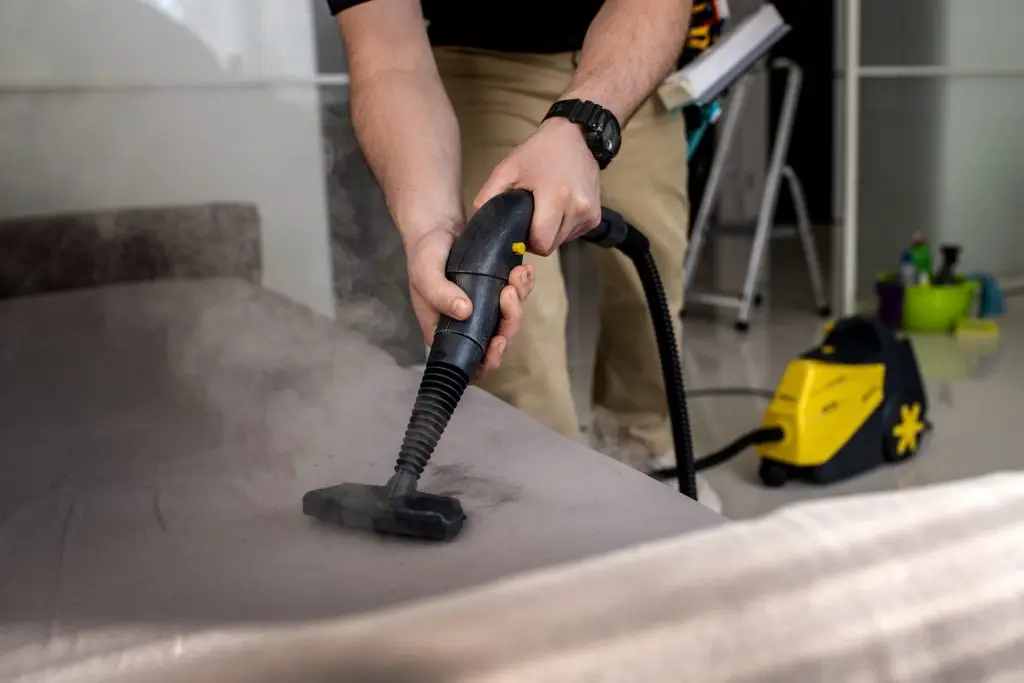
2. Try Steam Cleaning
- Steam is excellent for killing dust mites and loosening allergens.
- Check the furniture's care label for a "W" or "WS" code to make sure it's safe.
- Let furniture dry completely to avoid mold growth.
3. Use Baking Soda for Odors
- Sprinkle a light layer on fabric surfaces.
- Let it sit for 15–20 minutes to absorb moisture and smells.
- Vacuum thoroughly to remove the residue.
4. Avoid Scented Sprays
- Many fabric sprays contain fragrances that can irritate sensitive airways.
- Skip air fresheners and opt for natural, scent-free cleaners instead.
5. Choose Hypoallergenic Products
- Look for upholstery-safe cleaners labeled "fragrance-free" or "allergy-friendly."
- Always spot-test in an inconspicuous area first.
These easy steps can help reduce airborne allergens and extend the life of your furniture. But sometimes, deeper furniture cleaning is needed — especially if it's been a while or your symptoms continue. In the next section, we'll cover when it's time to call in the pros.
When to Call in the Pros: Choosing a Professional Couch Cleaning Service
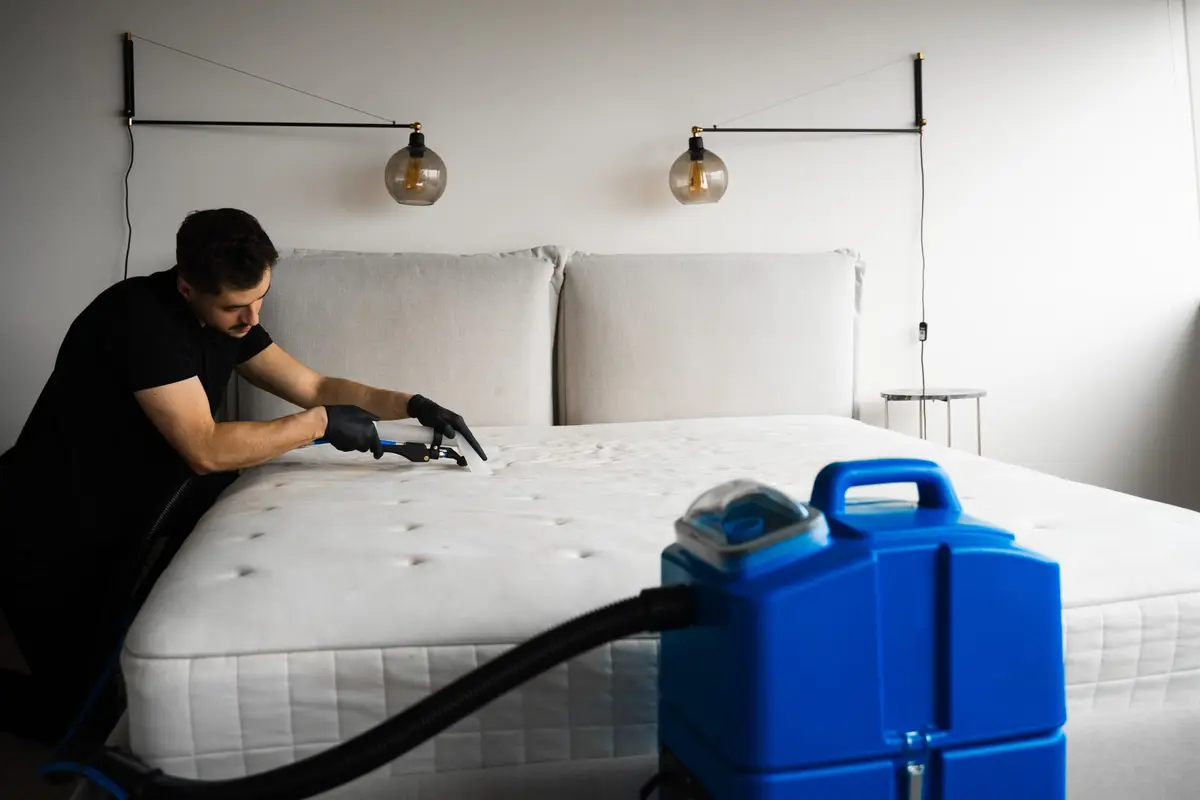
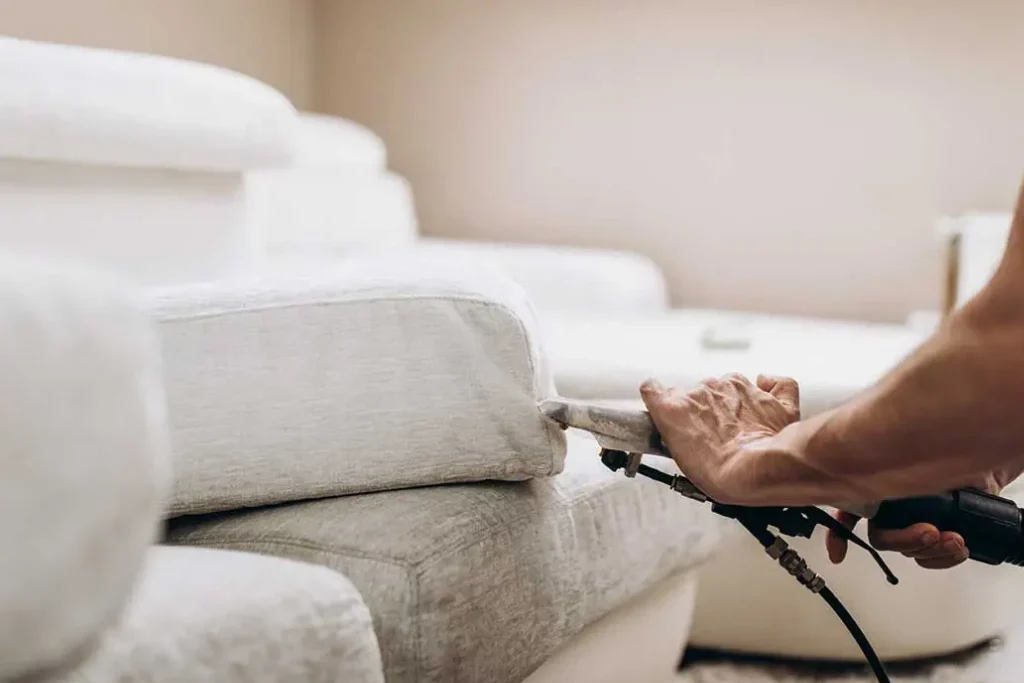
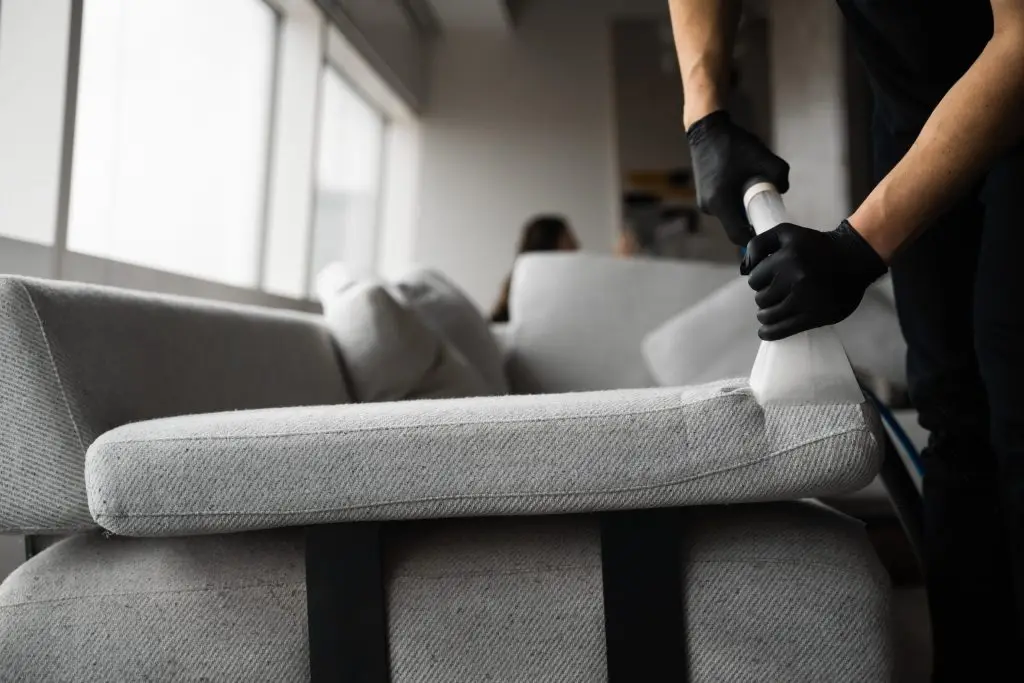
Sometimes, no matter how consistent you are with vacuuming or DIY solutions, allergens still hang around. That's when it makes sense to bring in the experts. A professional couch cleaning service doesn't just save you time — it delivers a deep, thorough clean that's hard to achieve on your own.
Professional-grade equipment can reach deep into the fibers of your upholstery, removing embedded allergens like dust mites, pet dander, and pollen that standard home vacuums often miss. For allergy sufferers, that deeper clean can translate into noticeable relief.
So, when should you make the call? If you're noticing stubborn odors, stains that won't go away, or allergy symptoms that persist even after regular cleaning, it's likely time to schedule a professional visit. Households with pets, young children, or high foot traffic may also benefit from more frequent service.
It's important to choose a company that knows how to treat allergy-prone homes. Ask about their cleaning methods, the products they use (look for hypoallergenic and fragrance-free options), and how they handle delicate fabrics. A reputable company will be transparent about their process and happy to answer your questions.
In fact, if you're located in Northbrook or nearby, you're in luck — this company was recently recognized as one of the Best Home Service Companies of Northbrook, a reflection of their trusted service, customer satisfaction, and consistent results. That recognition speaks volumes when you're searching for a team you can rely on.
Investing in professional couch cleaning isn't just about appearance — it's about creating a healthier home. And when your furniture is truly clean, it shows... and it feels better, too.
Preventative Tips to Keep Allergens Out of Your Upholstery
Once you've put in the effort to clean your furniture — or hired a professional to do it — the next step is keeping it that way. Preventing allergens from building up again is key to maintaining a healthier home environment, especially if you're sensitive to dust, pet dander, or pollen. Fortunately, it doesn't take a major lifestyle change to make a big difference.
Start by choosing materials that are easier to manage. If your couch has removable, washable covers, make it a habit to launder them regularly in hot water. This helps eliminate dust mites and other common triggers before they settle deep into the fabric. For upholstered furniture without removable covers, frequent vacuuming becomes even more important. Using a vacuum with a HEPA filter and a proper upholstery attachment allows you to clean the surface thoroughly and reduce buildup in areas where allergens love to hide.
If you have pets, try to limit their time on the furniture. It's not always easy, especially if your dog or cat has claimed a favorite spot on the couch, but using designated blankets or training them to stay off can go a long way. Keeping your home's humidity under control is another often-overlooked factor. Dust mites thrive in humid conditions, so using a dehumidifier can help prevent them from multiplying inside your furniture.
Ultimately, pairing smart habits with periodic upholstery cleaning — whether DIY or by a professional couch cleaning service — is the most effective way to reduce allergens over time. Clean once, maintain often, and you'll notice fewer flare-ups and a fresher home overall. In the final section, we'll wrap things up with a quick recap and some parting advice for long-term allergy relief.
Also Read: Furniture & Mattress Cleaning in Clarendon Hills, IL: How to Keep Your Home Spotless Year-Round
Clearer Air Starts with a Cleaner Couch
If you've been struggling with allergies at home, your furniture might be playing a bigger role than you think. As we've covered, upholstery can quietly collect dust, dander, pollen, and other allergens — all of which can trigger uncomfortable symptoms day after day. The good news is that a few simple changes can make a real difference.
From routine vacuuming and allergen-friendly products to knowing when it's time to call in a professional couch cleaning service, taking control of your environment doesn't have to be overwhelming. With regular upkeep and smart prevention, upholstery cleaning becomes more than just a chore — it's a way to create a healthier, more comfortable space for you and your family.
If you're ready to breathe easier, start by putting one of these tips into action today. Whether it's refreshing your cleaning routine or reaching out to a trusted local expert for a deep clean, every step you take brings you closer to an allergy-friendly home.
Heating season makes all of this harder: the windows close and warm air starts moving everything the upholstery collected over the summer back into the room. That is the same reason a house can suddenly smell when the heat comes on.
Looking for more guidance on maintaining clean, healthy furniture? Explore our related posts for more tips, or contact us to learn how a professional touch can transform your living space. Clean furniture means cleaner air — and that's something worth investing in.